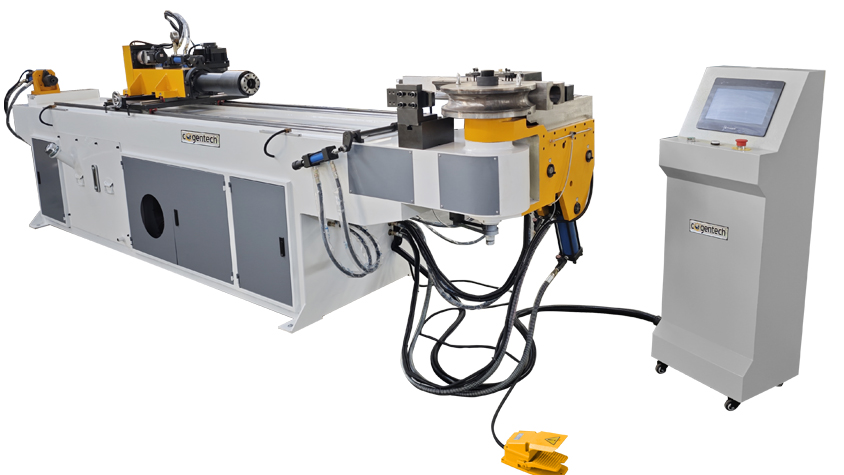
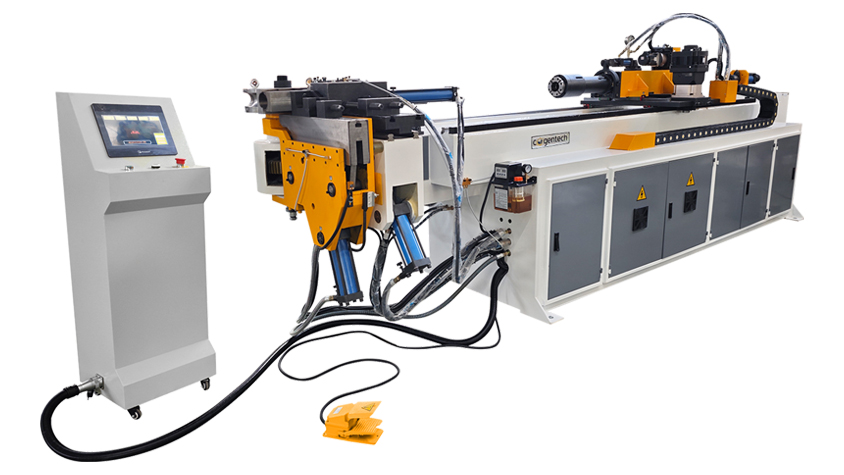
C41-250B ~ C41-2000B
Features
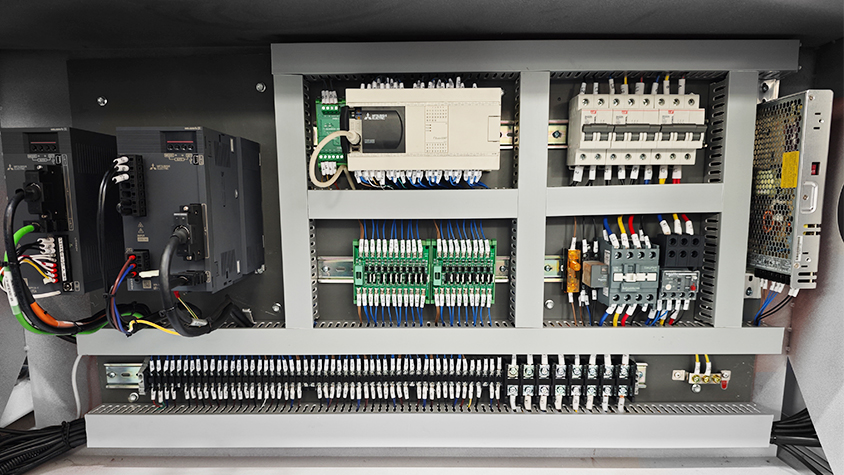
1. Electronic Control System: Adopts a combination of servo drives, servo motors, and CPUs from Mitsubishi—a world-renowned controller brand—delivering strong performance and excellent stability.
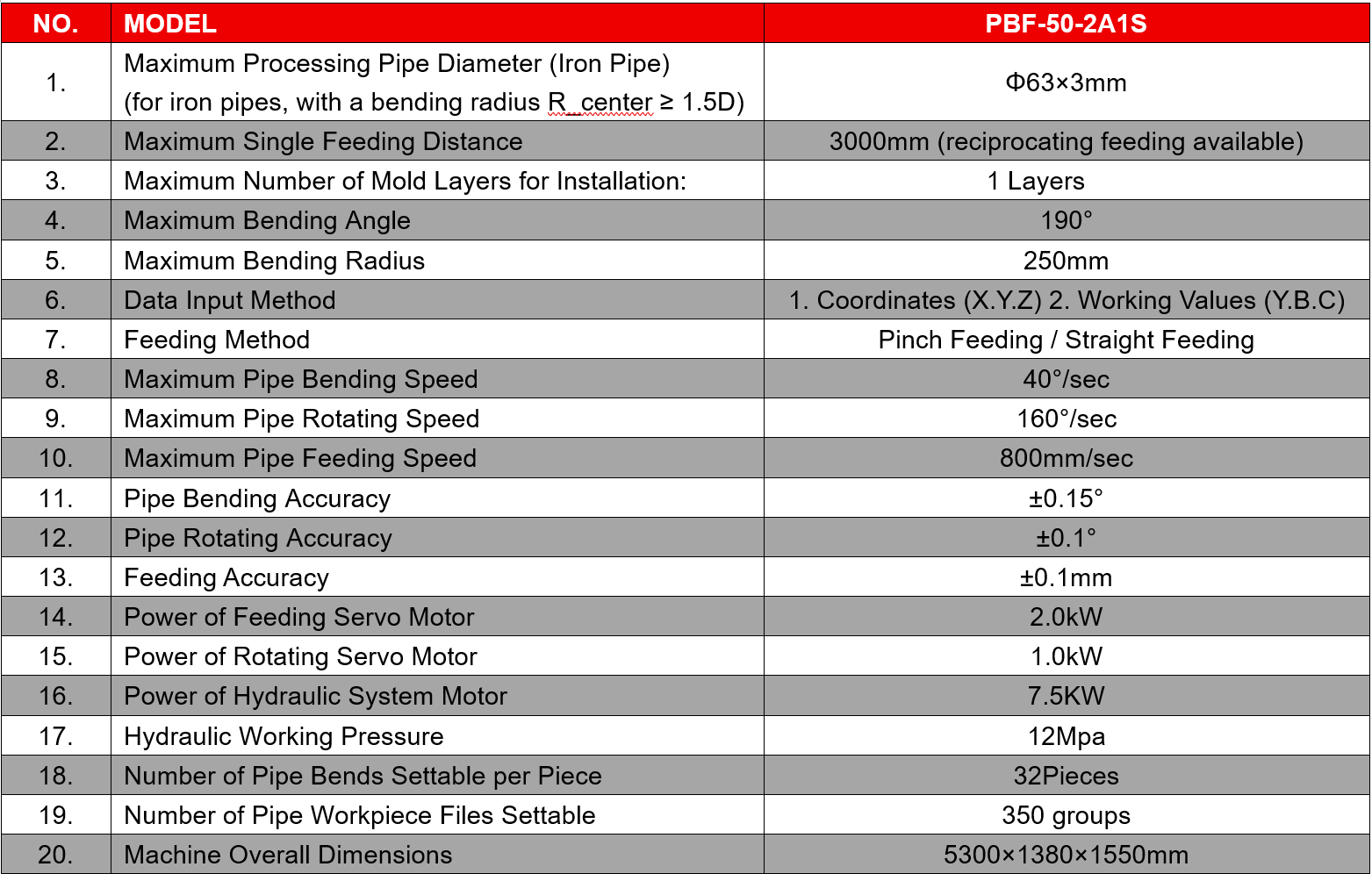
2. Taiwan Weinview Touch Screen System: Equipped with an extra-large CPU that can store up to 350 groups of file edits.
3. Automatic Error and Fault Detection: Features an automatic error and fault detection function, with alerts displayed on the screen to enable operators to easily troubleshoot issues.
4. Processing Data Input via Touch Screen: All processing data is input through the touch screen. For each pipe bend, compensation values, speed, and demolding gaps can be set according to variations in material types.
5. Independent Programming for Each Bend: For each bend of the same pipe, 5 action sequences and 10 speed segments can be programmed independently, allowing operators to combine settings flexibly. This enhances work efficiency and reduces pipe interference points.
6. Multi-Language Touch Screen Support: The touch screen supports switching between Chinese and English. Display of other languages can be customized upon request.
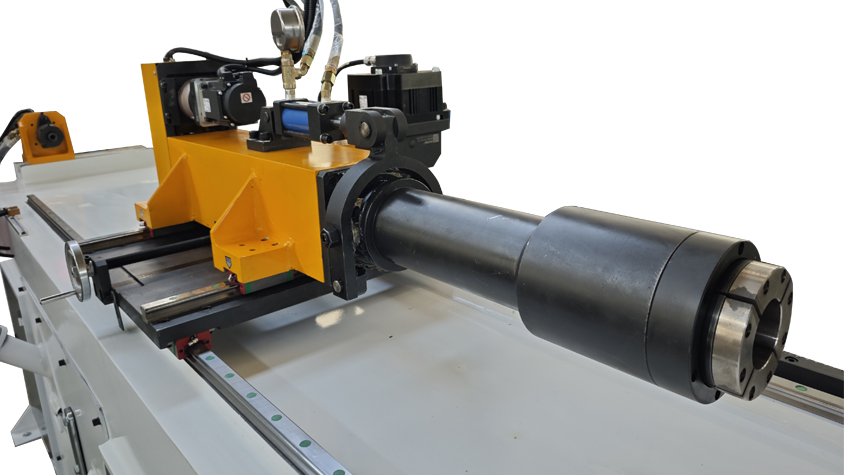
7. Flexible Feeding Modes: Feeding mode can be selected as straight feeding or pinch feeding based on different needs. It can also automatically convert XYZ coordinates into YBC processing values.
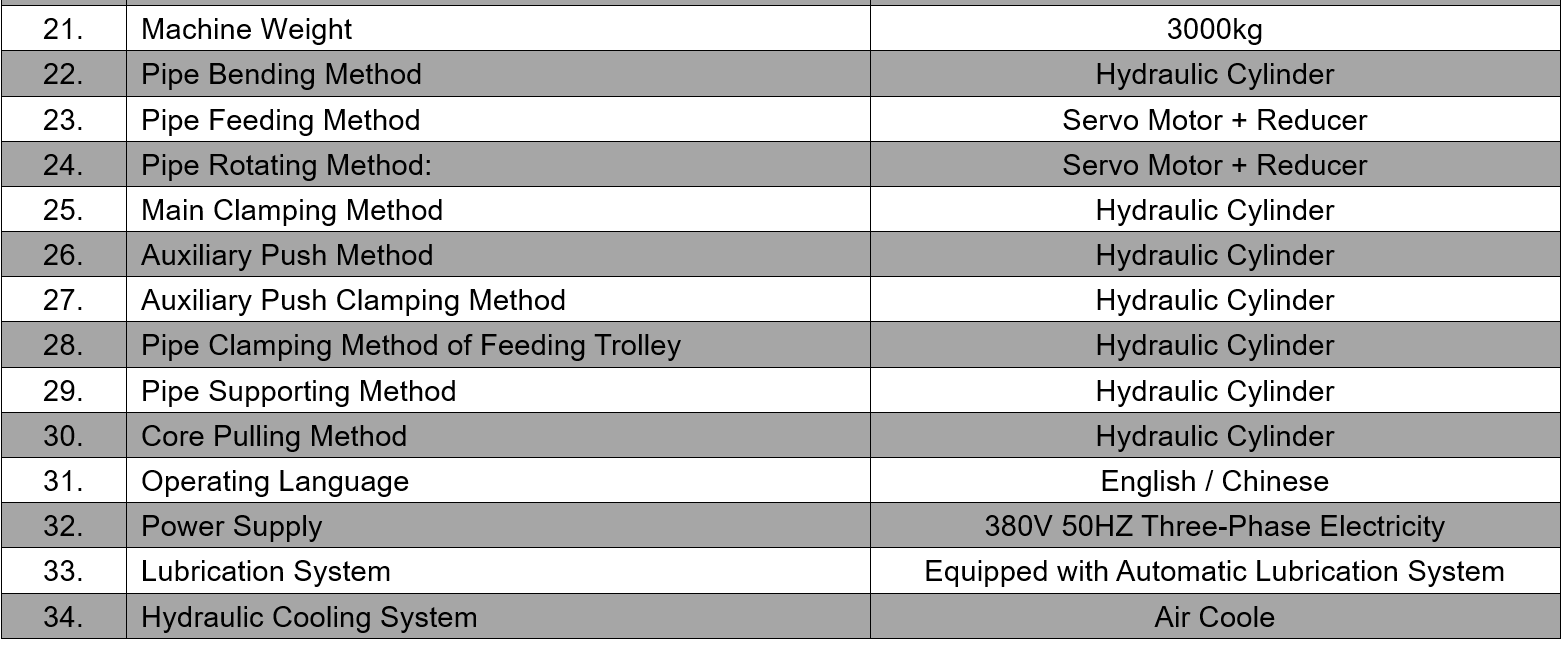
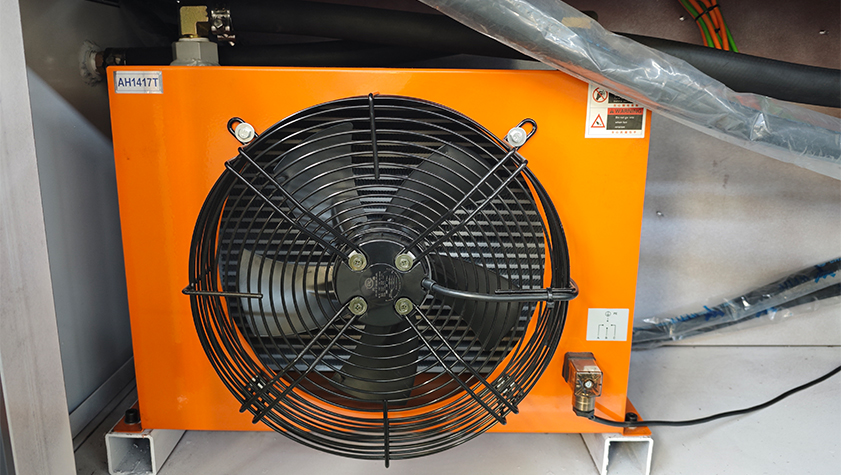
8. Automatic Heat Dissipation for Electronic Control System: The electronic control system is equipped with a heat exchanger for automatic heat dissipation, ensuring its long service life.
9. Automatic Oil Injection Lubrication System: The machine is fitted with an automatic oil injection lubrication system, facilitating maintenance and extending the equipment’s service life.
10. Manual Fine-Tuning & Automatic Position Memory: Settings for the feeding trolley’s material inlet position, safety devices, digital model interference position, and guide mold interference position can be finely adjusted manually, with positions automatically memorized. This eliminates errors caused by manual measurement and losses from machine collisions.
11. Pre-Action Detection of Feeding Axis: The feeding axis performs automatic detection before operation to avoid collisions with the machine.
12. Decomposed Actions for Solid Bending: During solid bending, decomposed actions can be selected to check interference points, adjust processes, and improve efficiency.